

Rattler-C V2 Thermal Clip-ons
The AGM Rattler C V2 thermal clip-on is a compact and reliable solution for converting your daytime rifle scope into a high-performance thermal imaging system for night hunting and low-light conditions. Designed to mount in front of your optic, this thermal clip-on maintains your rifle’s zero while providing clear heat signature detection and enhanced target identification. Built with advanced thermal sensors, lightweight construction, and user-friendly controls, the Rattler C V2 is ideal for hunters and shooters looking for an affordable, easy-to-use thermal clip-on rifle scope solution.
Filters
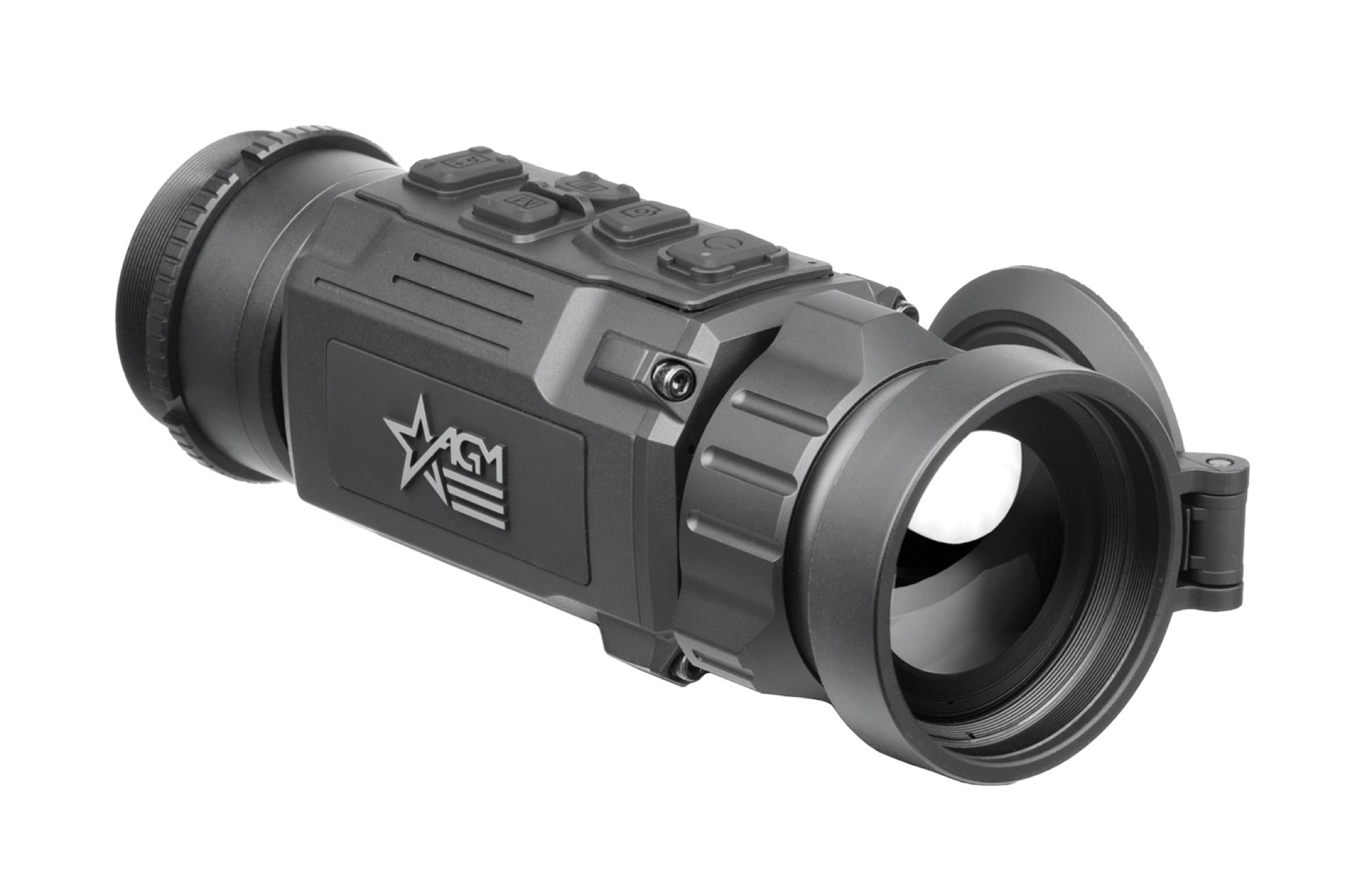
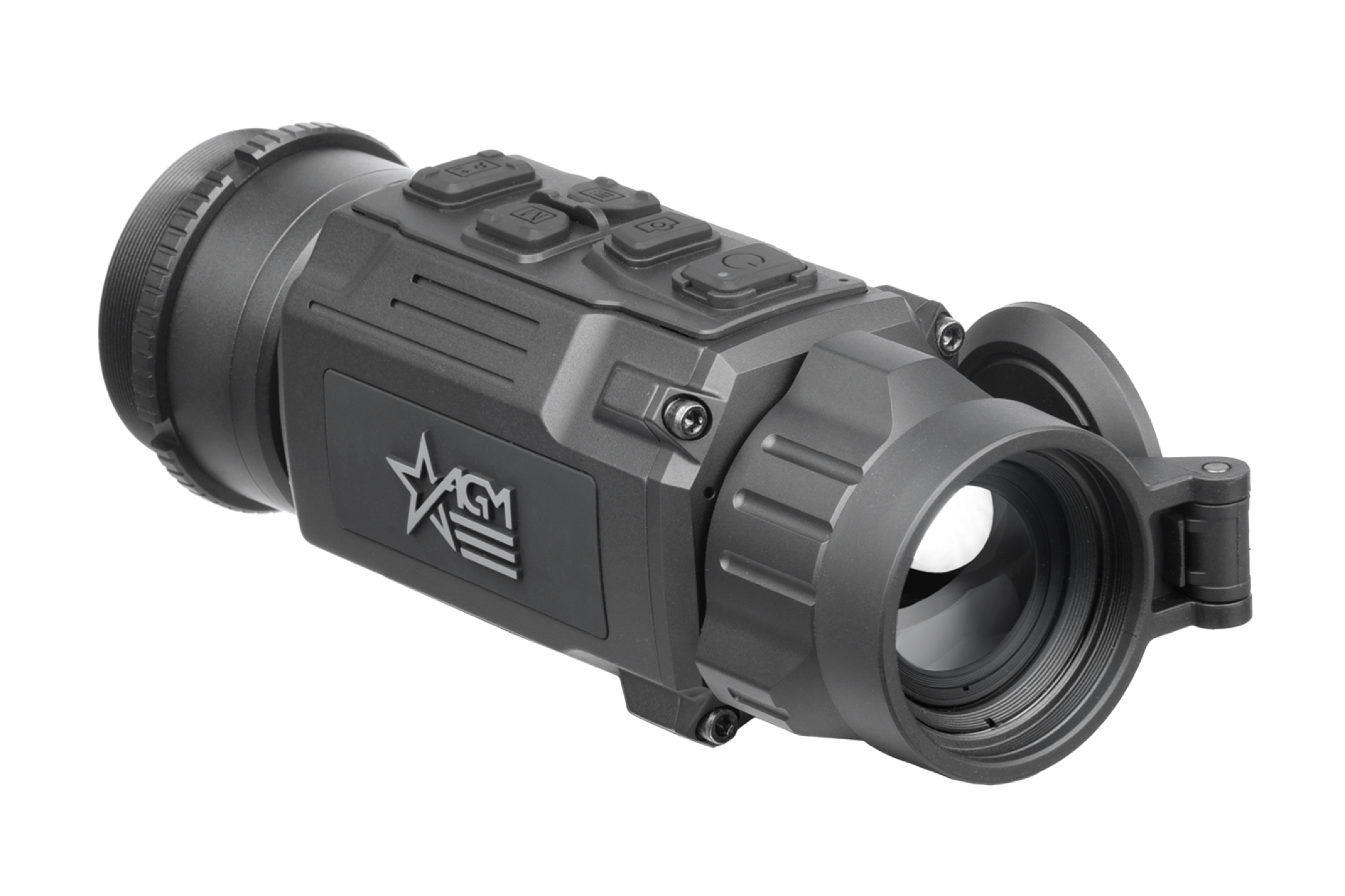
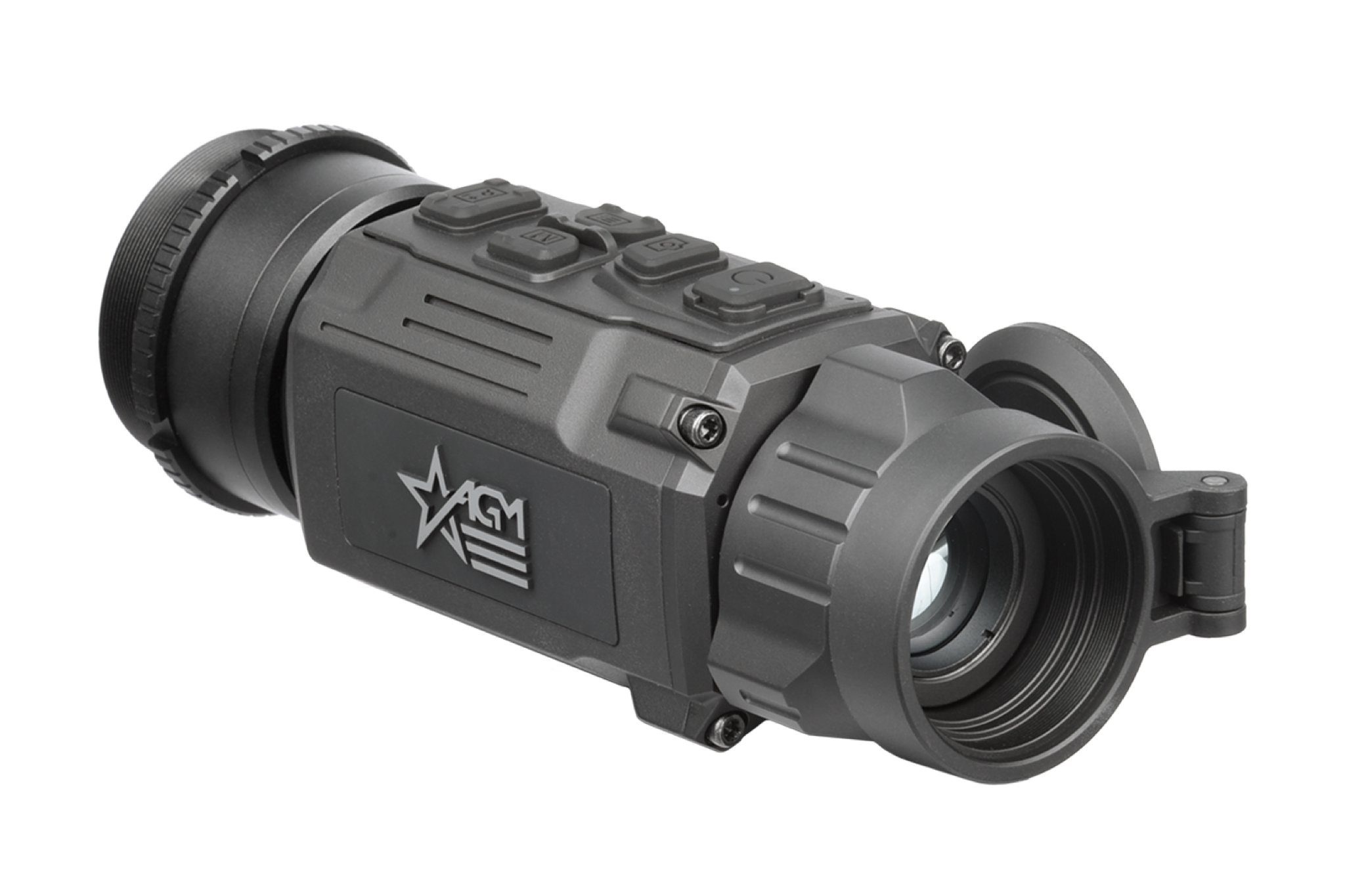

Thermal On Demand.
Precision stays the same. Capability expands.
The Rattler V2 Clip-On enhances your existing setup with thermal imaging—without disrupting what already works.
Thermal Clip-On Comparison
Compare key features to see how the Rattler V2 Clip-On delivers thermal performance without replacing your optic.
|
Product
|
Base Magnification
|
Thermal Resolution
|
Detection Range
|
Field Of View
|
Display Resolution
|
Refresh Rate
|
Lens Size
|
Battery Life
|
|---|---|---|---|---|---|---|---|---|
| 1× | 256×192 | 1000 m/yd | 9.3° × 6.9° or 49 ft × 36 ft at 100 yards | 1024×768 OLED | 50 Hz | 19 mm | Up to 11.5 hours | |
| 1× | 384×288 | 1800 m/yd | 7.5° × 5.6° or 39 ft × 29 ft at 100 yards | 1024×768 OLED | 50 Hz | 35 mm | Up to 11 hours | |
| 1× | 640×512 | 2600 m/yd | 8.8° × 7.0° or 46 ft × 37 ft at 100 yards | 1024×768 OLED | 50 Hz | 50 mm | Up to 9 hours |


Need help?
Frequently Asked Questions
Order
Yes.
Thermal works day or night because it detects heat, not light—just be aware of local hunting laws.
Not when properly mounted.
A correctly aligned clip-on maintains your rifle’s zero and allows accurate shooting without changing your setup.
You can—but it’s not ideal.
At high magnification, the image becomes pixelated and harder to use. Clip-ons perform best with LPVOs or low-power optics.
Low base magnification works best (1–4x).
Higher magnification just zooms into the thermal image and reduces clarity, since you’re magnifying pixels—not adding detail.
Yes. While it’s designed to mount in front of a day scope, it can also be used for scanning or observation. To use it as a handheld device, you’ll need a conversion lens cap/eyecup accessory, which allows comfortable viewing off the rifle. Many users run it handheld or on a tripod for spotting before getting behind the rifle.
No (in most cases). Clip-ons are designed to maintain your day optic’s zero when mounted correctly.
You don’t “zero” it like a traditional scope—you align (collimate) it.
You mount it in front of your already-zeroed day optic, then fine-tune alignment so the thermal image matches your point of impact. It’s typically a one-time setup.